Danfoss VFDs for water and wastewater help operators match pump and blower output to demand, protect pipes and pumps, and keep stations running. The VLT AQUA Drive FC 202 adds water-specific functions such as cascade control, sleep mode, dry-run detection, pipe fill, deragging and condition-based monitoring, which can reduce the need for separate controllers.
Key Takeaways
- Variable speed lets pumps and blowers deliver only what the process needs.
- According to Danfoss, reducing pump speed by 20% can save up to 50% of the energy in theory.
- The VLT AQUA Drive FC 202 includes cascade control, sleep mode, pipe fill, dry-run detection and deragging.
- Danfoss states that deragging can improve pump efficiency by 15–30% and extend pump maintenance intervals.
- Hot Swap, backup master and condition-based monitoring support uptime at critical stations.
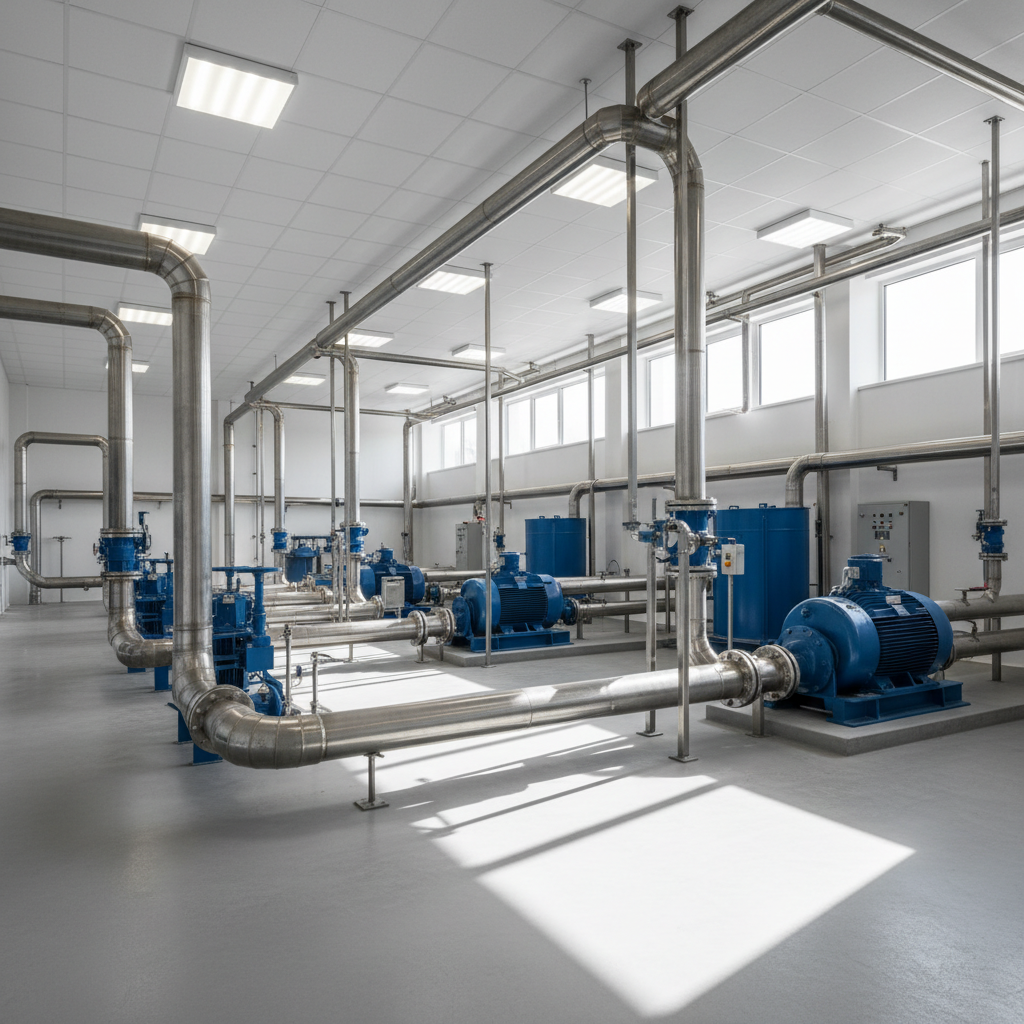
For Canadian municipalities and industrial water users, those functions matter as much as energy savings. A drive that handles pump staging, pipe protection and fault detection on its own can simplify a pumping station and give operators earlier warning of problems.
Why use VFDs for water and wastewater pumping
A variable frequency drive (VFD) is a motor controller that adjusts the frequency and voltage supplied to an AC motor to control its speed. Water demand and wastewater inflow change through the day and with the weather. A pump sized for peak flow spends long periods running below that peak. Running at a fixed speed and throttling the excess wastes energy and puts extra stress on the system.
Variable speed lets the pump deliver only what the process needs. Under the pump affinity laws, power falls roughly with the cube of speed. According to Danfoss, reducing pump speed by 20% can save up to 50% of the energy in theory. Real savings depend on static head and system losses, and this principle is why VFDs are common on water and wastewater pumps.
Speed control also allows smooth acceleration and deceleration, which reduces pressure surges and mechanical stress on pumps, valves and pipework.
Water-specific functions in the VLT AQUA Drive FC 202
The FC 202 is Danfoss’s dedicated drive for water and wastewater. According to Danfoss’s FC 202 design guide, its standard and optional functions include:
| Function | What it does | Where it helps |
|---|---|---|
| Cascade control | Stages multiple pumps and balances their running hours; basic control for up to three pumps is standard, with options for larger systems | Booster and lift stations |
| Multi-master cascade | Up to eight masters per system; a backup master takes over if the primary stops | Critical stations that need redundancy |
| Sleep mode | Stops the pump when there is no demand and restarts when demand returns | Low-demand periods overnight |
| Pipe fill mode | Fills pipes gently, with modes for horizontal and vertical pipes, to help avoid water hammer | Distribution mains and rising mains |
| Check valve ramp | Uses a slow ramp-down to protect check valves and help prevent water hammer | Pump discharge lines |
| Dry-run and low-flow detection | Detects dry-running, no-flow or low-flow conditions to help prevent pump damage | Wells, sumps and intakes |
| End-of-curve detection | Flags when the pump runs at maximum speed without reaching setpoint | Leaks or broken pipes |
| Deragging | Runs a preventive or reactive cleaning cycle on wastewater pumps | Lift stations handling rags and wipes |
| Advanced minimum speed monitoring | Trips the drive if speed drops below a set value, protecting pumps sensitive to low speed | Submersible and deep well pumps |
Because these functions sit in the drive, many stations can run with less external control logic. That can simplify commissioning and reduce the number of devices that could fail.
Where Danfoss VFDs fit in a water or wastewater system
Water supply and distribution
Danfoss notes that the VLT AQUA Drive is widely used in booster pumping stations to regulate pressure in each pressure zone, and on deep well pumps, where minimum speed monitoring helps secure the lubrication the pump needs. Pipe fill mode and check valve ramps help limit surges when pumps start and stop.
Wastewater collection
Lift stations face rags, wipes and solids that clog impellers. Deragging is a drive function that runs the pump through a cleaning cycle to clear this build-up. On its water pumping page, Danfoss states that deragging can improve pump efficiency by 15–30% and extend pump maintenance intervals. Fewer clogs can also mean fewer call-outs to remote stations.
Treatment processes
Inside the plant, drives commonly run on process pumps, aeration blowers and chemical dosing equipment. Speed control lets operators adjust blower output and dosing rates to process demand, using feedback from instruments such as dissolved oxygen, flow or level sensors. Aeration blowers typically run for long hours against changing oxygen demand, so blower speed control is a common target for efficiency projects, and it also helps keep the biological process within its operating range.
Reliability, redundancy and monitoring
Uptime is the priority at most water facilities. The FC 202 supports that in several ways:
- Redundancy: Hot Swap and backup master functions keep multi-pump systems running if a pump or master drive fails.
- Condition-based monitoring: Danfoss states that the FC 202 automatically defines baseline parameters for water and wastewater applications at all speeds and operating cycles, then flags deviations early.
- Enclosures: Danfoss lists ratings from IP20 chassis up to IP66 / UL Type 4X, which helps where drives are mounted close to wet or corrosive areas.
- Lifecycle support: DrivePro-tection can extend on-site warranty coverage up to six years.
Pairing drives with level, flow and pressure instruments
A drive can only control a process as well as the signal it receives. Pump stations rely on accurate level, flow and pressure measurement for setpoint control, cascade staging, and dry-run or low-flow protection. Davis Controls supplies both the drives and the instruments, including level sensors and flow meters, so a station’s control loop can be specified together.
For a full overview of Danfoss drive families, power quality accessories and selection factors, see our guide to Danfoss VFD drives. Model details are also on our Danfoss drives page.
Frequently Asked Questions
Which Danfoss drive is designed for water and wastewater?
The VLT AQUA Drive FC 202 is Danfoss’s dedicated drive for water and wastewater, with built-in functions for pump control and pipe protection.
Can one Danfoss drive control several pumps?
Yes. The FC 202 includes basic cascade control for up to three pumps as standard, and options extend control to larger systems with multiple variable-speed pumps.
Do VFDs help prevent water hammer?
They can. Water hammer is a pressure surge caused by a sudden change in flow, such as a pump stopping or a valve closing quickly. Controlled acceleration and deceleration, plus FC 202 functions such as pipe fill mode and check valve ramps, help reduce pressure surges when pumps start and stop.
Planning a pump station upgrade or new installation? Contact Davis Controls or call 1-800-701-7460 to discuss drives and instrumentation for your application.
Contact Us
Contact Davis Controls today about our state-of-the-art products and experience our expert application advice and reliable service!
CONTACT US